Pilgrim Prayers: A Song of Arrival (Psalm 24)
Podcast: Download
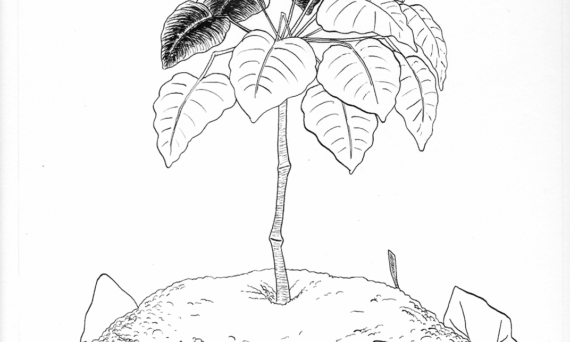
Keaton Sapp’s ninth and final station in his series, The Stations of the Cross is installed in the church foyer. (You may read my thoughts on the eighth station on my blog, BackwardMutters.com). When he and I began discussing this project and making plans in November, we had no idea how this would play out. I had hoped that we actually would be able follow each week the unfolding of Jesus’s last hours, how we might walk the stations on Good Friday and Holy Saturday, and how we might celebrate together the unwrapping of art and the glory of Christ’s resurrection. In addition, I hoped that we would’ve had a reception for Keaton and the artwork by this time. But as we’ve grown accustomed to saying, Things change. Neverthless, though this is the last piece, I am still hoping to have something in which we might share and in sharing might be able to experience the whole.
Keaton’s last piece is titled, “The Resurrection.” The tree that was pulled down, has now been raised in new life. In Luke 24:4-12 we read,
While they were perplexed about this, behold, two men stood by them in dazzling apparel. And as they were frightened and bowed their faces to the ground, the men said to them, “Why do you seek the living among the dead? He is not here, but has risen. Remember how he told you, while he was still in Galilee, that the Son of Man must be delivered into the hands of sinful men and be crucified and on the third day rise.” And they remembered his words, and returning from the tomb they told all these things to the eleven and to all the rest. Now it was Mary Magdalene and Joanna and Mary the mother of James and the other women with them who told these things to the apostles, but these words seemed to them an idle tale, and they did not believe them. But Peter rose and ran to the tomb; stooping and looking in, he saw the linen cloths by themselves; and he went home marveling at what had happened.
The promise of the resurrection is mirrored in many ways throughout God’s creation. There is, however, no reason that it should be – that life comes through death. We wonder at that season of Spring. We are so delighted to see the turn, to see what is described in miraculous terms: beauty, life, thriving, rising. We respond to the news of resurrection with suspicion and skepticism. We hear of the empty tomb, and we think them an idle tale. Even so, here is the opened tomb, empty, with the linen cloths by themselves. How from this sealed, dead place, can life emerge? The resurrection is not merely a metaphor or a symbol. Rather it is the reality which is echoed all around us in and through creation. He who was dead has risen just as he said!
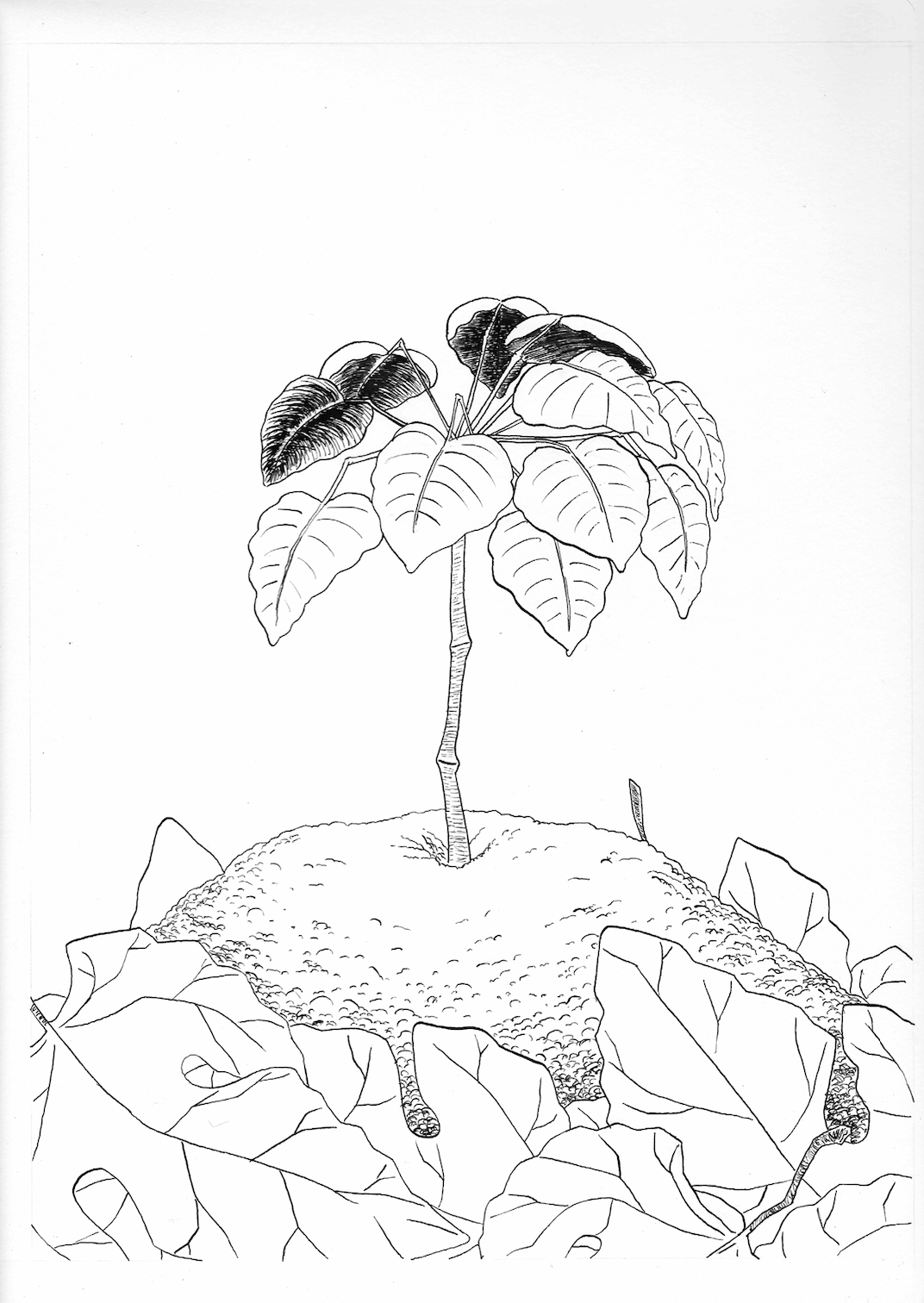
Artwork: © Keaton Sapp 2020, “The Resurrection” Pen and ink. All Rights Reserved.
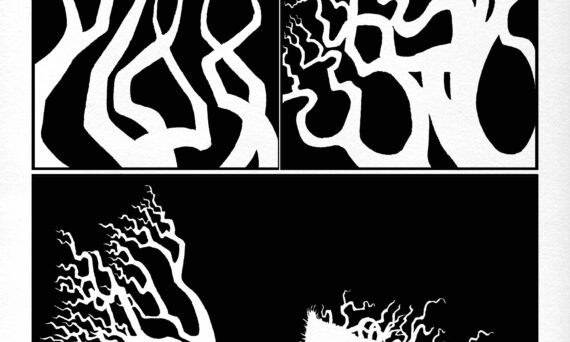
The Seventh Station in artist Keaton Sapp’s series, “The Stations of the Cross” is titled, “The Earth Shook” and is based on Matthew 27:51-61. The passage reads,
And behold, the curtain of the temple was torn in two, from top to bottom. And the earth shook, and the rocks were split. The tombs also were opened. And many bodies of the saints who had fallen asleep were raised, and coming out of the tombs after his resurrection they went into the holy city and appeared to many. When the centurion and those who were with him, keeping watch over Jesus, saw the earthquake and what took place, they were filled with awe and said, “Truly this was the Son of God!”
There were also many women there, looking on from a distance, who had followed Jesus from Galilee, ministering to him, among whom were Mary Magdalene and Mary the mother of James and Joseph and the mother of the sons of Zebedee.
When it was evening, there came a rich man from Arimathea, named Joseph, who also was a disciple of Jesus. He went to Pilate and asked for the body of Jesus. Then Pilate ordered it to be given to him. And Joseph took the body and wrapped it in a clean linen shroud and laid it in his own new tomb, which he had cut in the rock. And he rolled a great stone to the entrance of the tomb and went away. Mary Magdalene and the other Mary were there, sitting opposite the tomb.
A number of details are present to convince us of the death of Jesus. The centurion’s confession, the women named by Matthew who were eye witnesses of his death and burial, and the identification of Joseph of Arimathea as the one who secured Jesus’ body and placed it in the tomb — all are intended to convince us of Jesus’ death. That Jesus died and continued under the power of death for a time shows us the extent of his humiliation. Jesus is not merely one who preached the Beatitudes, but he is the one who embodied them. Blessed are the poor in spirit. Blessed are the mourners. Blessed are the meek. Blessed are they who hunger and thirst for righteousness. Blessed are the merciful. Blessed are the pure in heart. Blessed are the peacemakers. Blessed are the persecuted because of righteousness. Jesus is all of these, and they point to his identity.
Jesus is not merely identified in the qualities of his character or the wisdom of his teaching. His death, of which we read and are confirmed in verifying is not merely the untimely end of one who is so virtuous. His death was not marked by a whimper, but a concussion. Now in one sense, the smallness of Jesus’ death is real. His crucifixion was hardly noted: a few women and a bored centurion. But here in Matthew Jesus’ death is marked a bit differently. When the one who is the Word made flesh, who is wisdom personified, who is rest dies, his death has a physical, concrete impact in the world: the curtain is torn, the earth shakes, the dead rise. The impact crater of the death of Jesus, shakes the very foundations of creation. Boom!
We are left asking on Good Friday, What can rise from that? We are left to do the only thing we can do: wait. In that waiting, God asks us, Son of man, can these bones live?
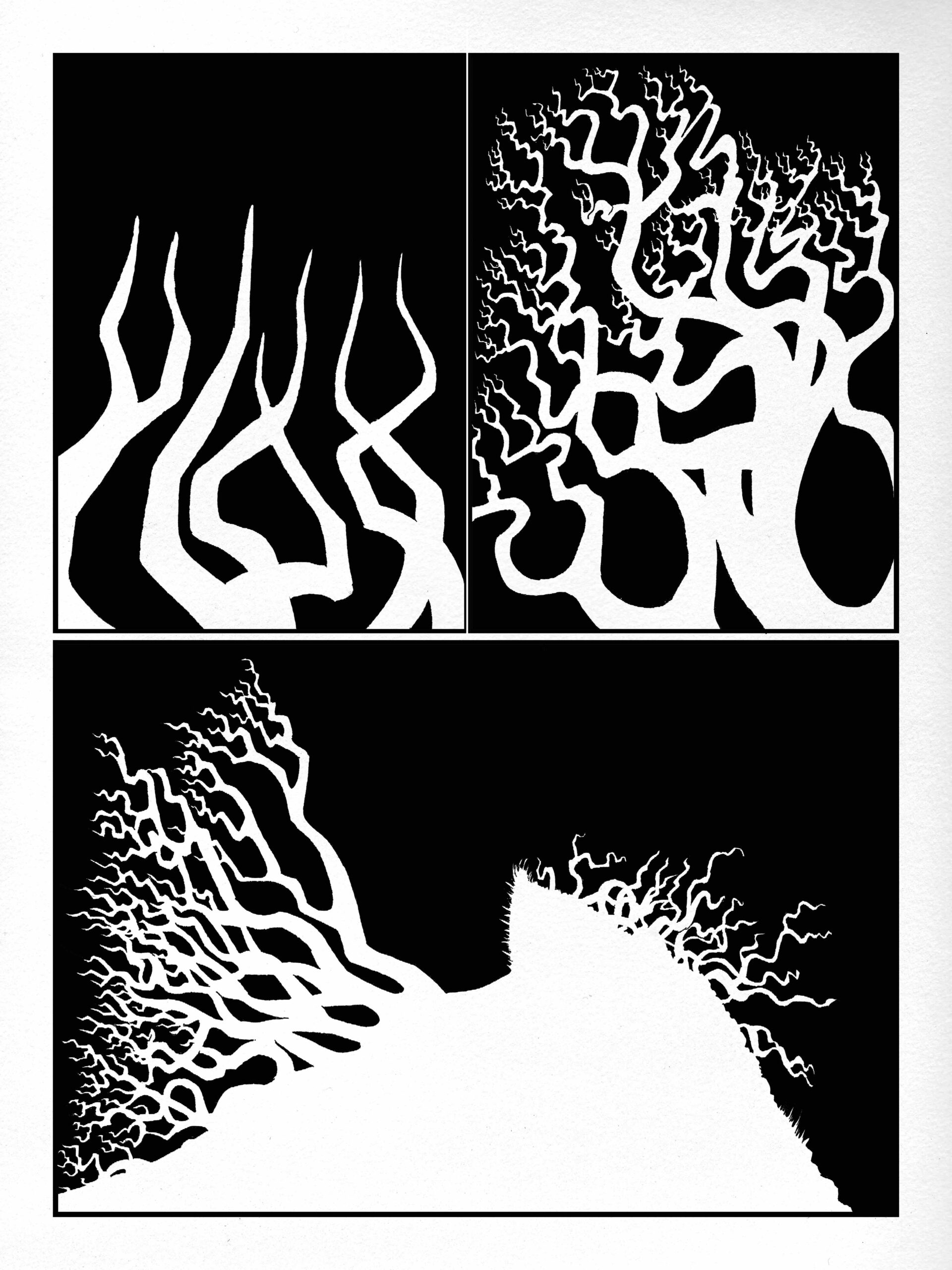
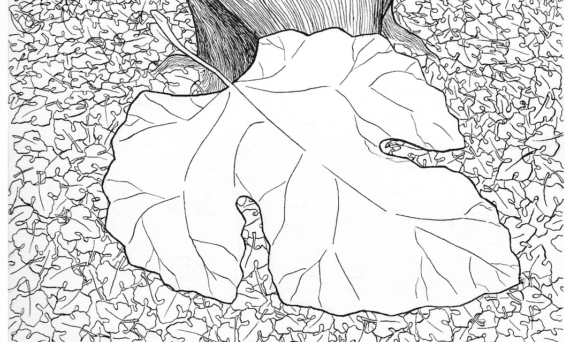
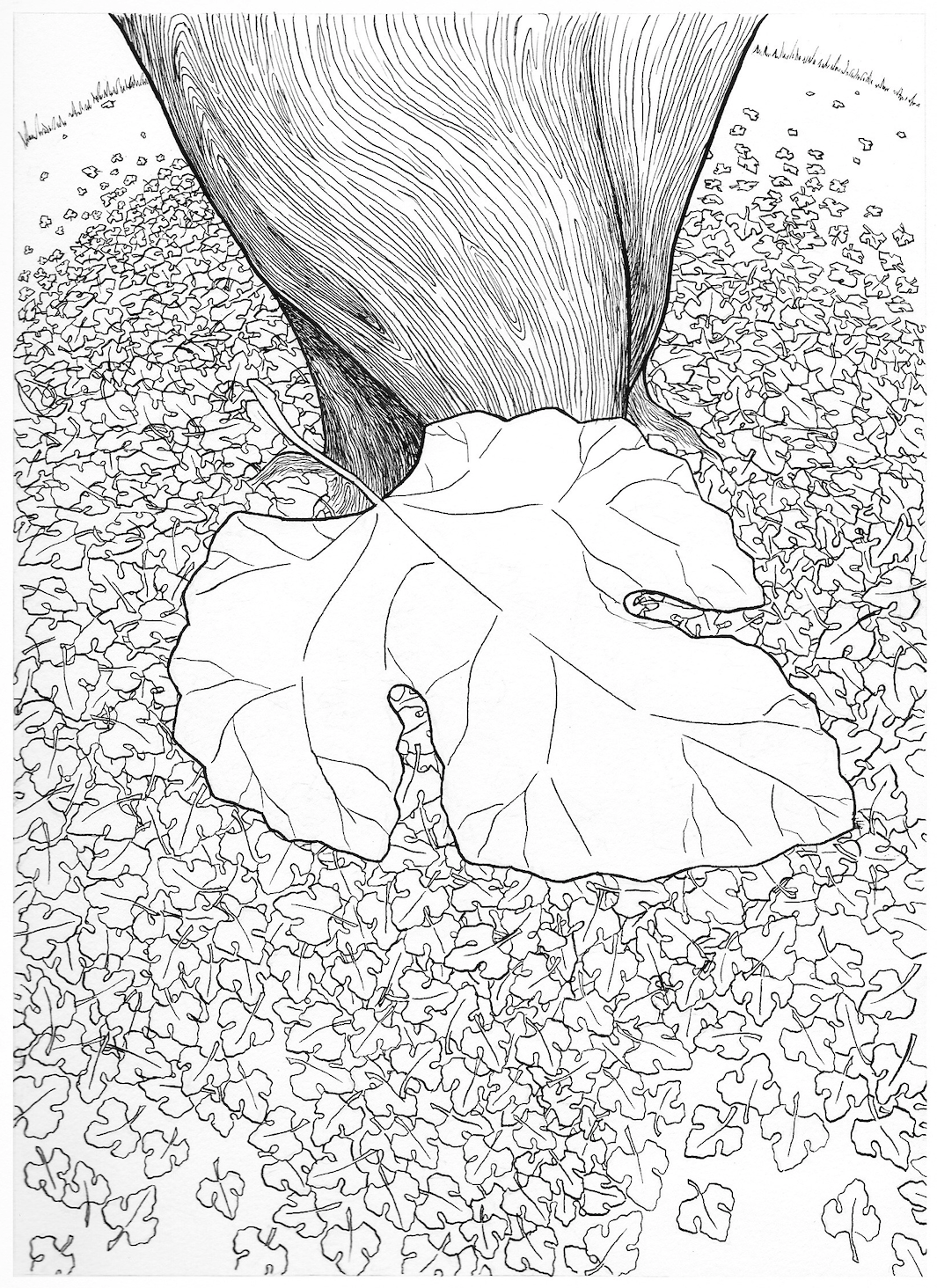
Keaton Sapp’s Sixth Station of his series, The Stations of the Cross is installed. Take a moment and scroll back through the previous posts in which his work posted. It really is remarkable.
This scene which depicts the descent of Jesus is based on Matthew 27:45-50 which reads,
Now from the sixth hour there was darkness over all the land until the ninth hour. And about the ninth hour Jesus cried out with a loud voice, saying, “Eli, Eli, lema sabachthani?” that is, “My God, my God, why have you forsaken me?” And some of the bystanders, hearing it, said, “This man is calling Elijah.” And one of them at once ran and took a sponge, filled it with sour wine, and put it on a reed and gave it to him to drink. But the others said, “Wait, let us see whether Elijah will come to save him.” And Jesus cried out again with a loud voice and yielded up his spirit.
Jesus, in the moment of his greatest psychological, physical, and emotional pressure, cracked and what came out were words written by King David a thousand years earlier and recorded in Psalm 22, “My God, my God, why have you forsaken me? The first half of the psalm gives voice to Jesus’ lament. It even contains the expression of his enemies the text of which George Frederick Handel makes use of in The Messiah, “He trusteth in the God; let him who would deliver him, let him deliver him, if he delights in him! (v. 8)” Yet, Jesus’ cry is misunderstood by some of the witnesses of his crucifixion. They mistake his cry as a cry to Elijah to rescue him. The irony is that what these observers are in fact witnessing, is the salvation of which Elijah and his second, John the Baptist, proclaimed. Jesus came to save them and us. The Lord has come, and he has come to bear the condemnation of the curse because of sin in his dying on the cross. He does so in order that we may sing with him the second half of Psalm 22, “For he has not despised or abhorred the affliction of the afflicted, and he has not hidden his face from him, but has heard, when he cried to him (v.22).”